Exploring Different Advanced Open Water Scuba Diving Specialties: Which Is Right for You?
Deep, wreck, night, nitrox, buoyancy and more — a plain-English guide to the most popular Advanced Open Water specialties, what each one involves and who it suits best.
Achieving your Advanced Open Water Diver certification opens the door to an exciting world of new types of specialised scuba dives. From exploring the mysteries of shipwrecks to mastering buoyancy in challenging conditions, there is a speciality for every diver. But with so many options, how do you choose the right one?
Let us dive into some of the most popular Advanced Open Water scuba diving specialities, breaking down what each involves and who it is best suited for.
1. Deep Diving: Plunging into the Unknown
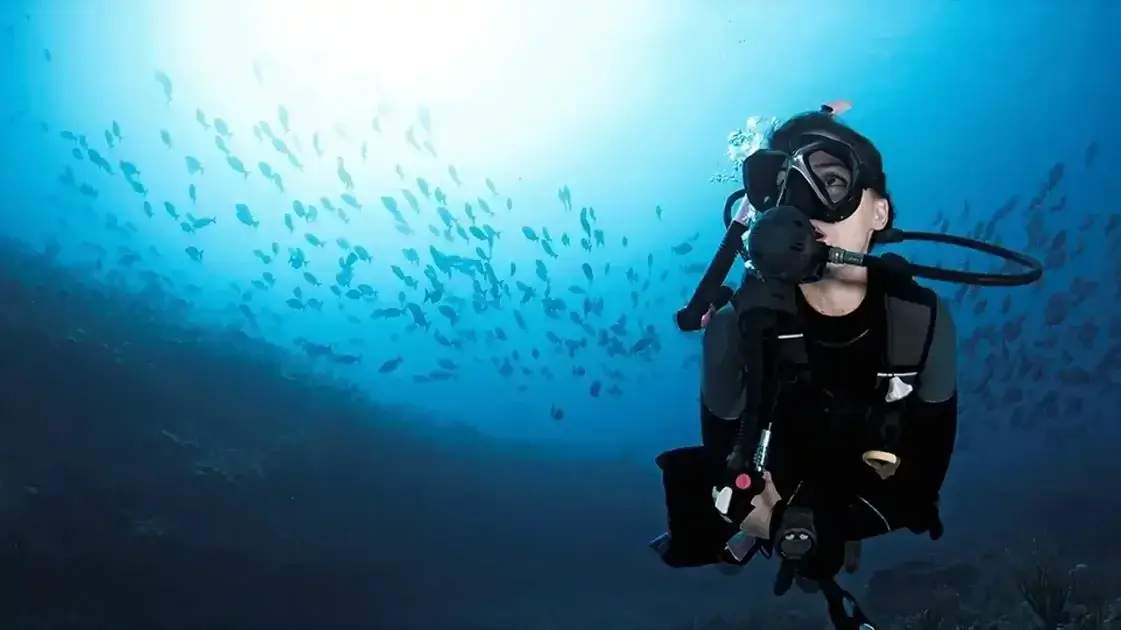
Deep diving takes you beyond recreational limits, often descending to depths of 30 metres (100 feet) or more. This speciality is perfect for those who crave adventure and want to explore areas of the ocean less travelled.
What it involves
- Learning about the effects of depth on your body and equipment.
- Understanding how to manage air consumption and nitrogen absorption.
- Conducting dives that allow you to explore underwater cliffs or deep reefs.
Who it is for
- Thrill-seekers fascinated by the unknown.
- Divers interested in marine life that thrives in deeper waters.
- Those planning dives to famous deep sites like the Blue Hole in Belize.
Pro tip: invest in a dive computer with a deep dive mode to ensure safety and proper decompression stops.
2. Wreck Diving: Exploring Underwater History
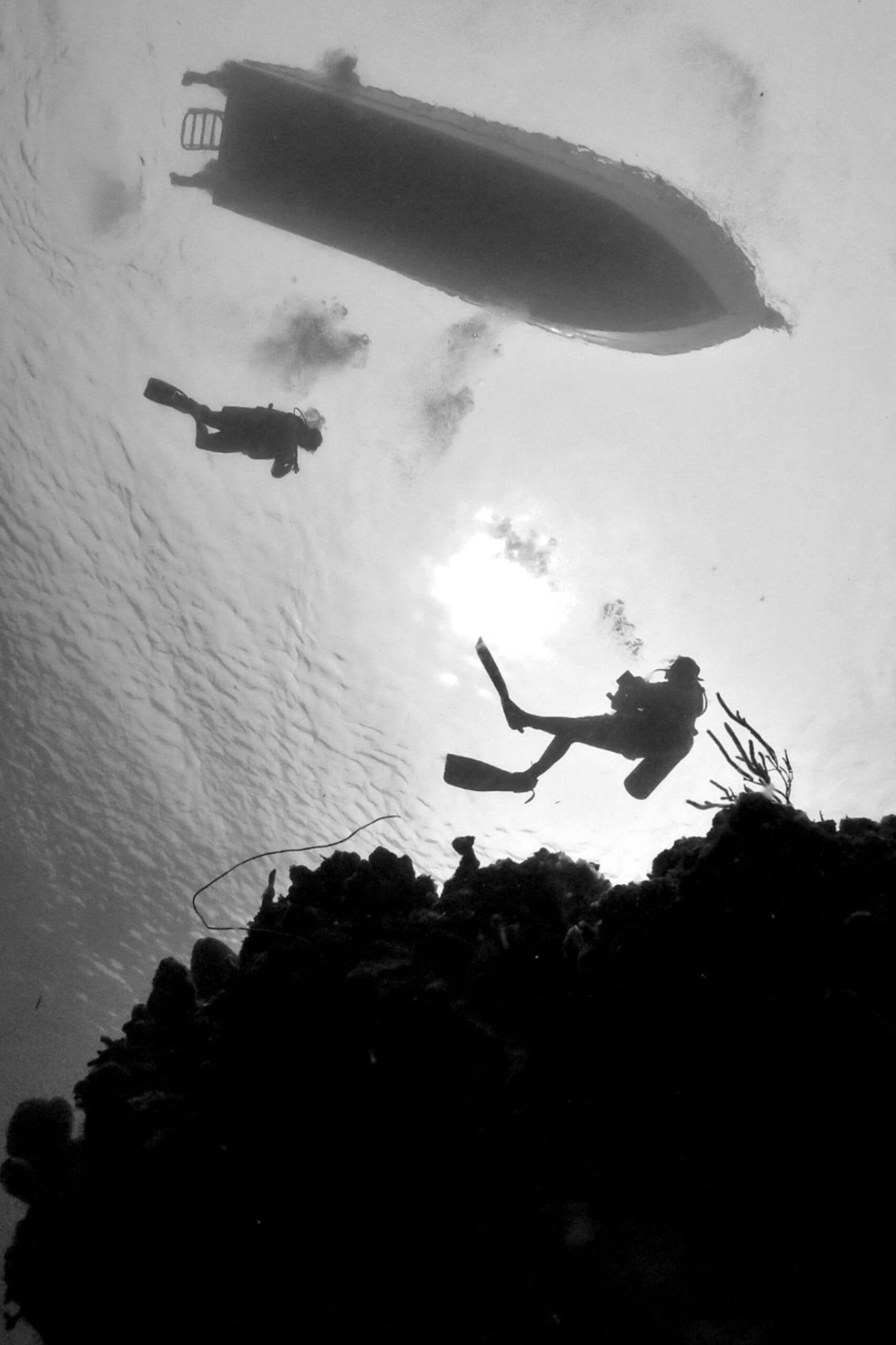
Wreck diving combines adventure, history and mystery. Whether it is a sunken ship, an aeroplane or an artificial reef, each wreck tells a story waiting to be uncovered.
What it involves
- Navigating and exploring shipwrecks safely without causing damage.
- Learning techniques for penetration diving (entering the wreck).
- Using lines and reels to prevent disorientation.
Who it is for
- History enthusiasts intrigued by the stories behind underwater artefacts.
- Photographers looking for dramatic and unique underwater scenery.
- Those comfortable with enclosed or overhead environments.
Pro tip: take a wreck diving course alongside a buoyancy speciality to minimise the risk of stirring up silt inside wrecks.
3. Underwater Photography and Videography: Capturing the Ocean
If you have ever wished you could share the vibrant beauty of the underwater world with friends and family, this speciality is for you. It focuses on capturing stunning visuals while maintaining strong diving skills.
What it involves
- Learning about underwater camera equipment and settings.
- Techniques for composing shots in low-light or challenging conditions.
- Understanding the ethical considerations of photographing marine life.
Who it is for
- Creative individuals passionate about storytelling through images or video.
- Divers eager to document their adventures and marine life encounters.
- Those looking to combine diving with artistic hobbies.
Pro tip: practise neutral buoyancy to avoid damaging delicate coral reefs or startling marine creatures while capturing your shots.
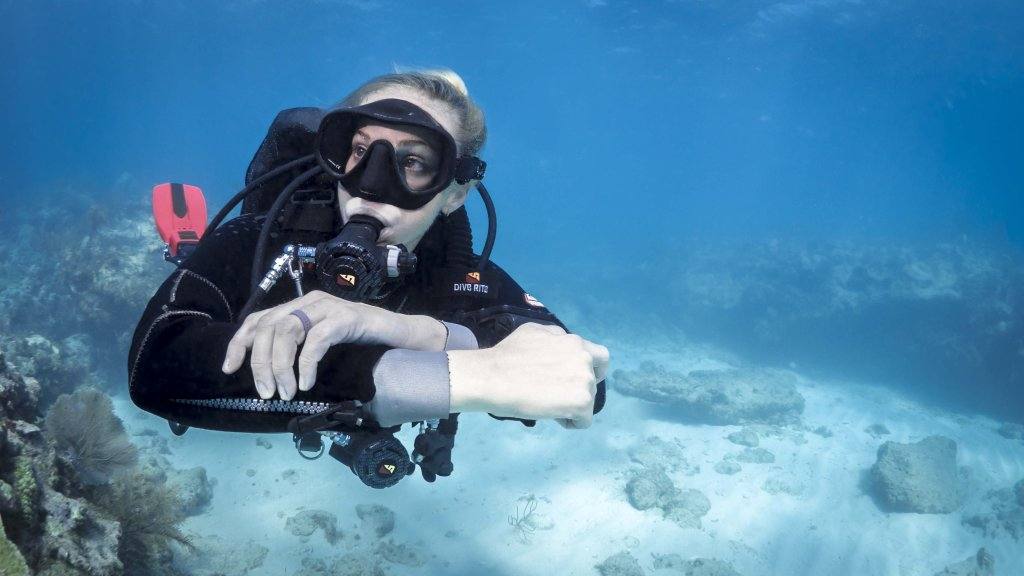
4. Night Diving: Discovering Nocturnal Mysteries
Night diving reveals a completely different underwater world, as many marine creatures become active after dark. This speciality offers an unparalleled sense of wonder and tranquillity.
What it involves
- Using underwater lights to navigate and spot marine life.
- Developing communication techniques with your dive buddy in low visibility.
- Understanding nocturnal marine behaviour.
Who it is for
- Adventurous souls curious about the ocean nightlife.
- Divers seeking a serene and unique experience.
- Those comfortable with limited visibility.
Pro tip: use a dive light with adjustable brightness and carry a backup light for safety.
5. Peak Performance Buoyancy: Mastering Control
Mastering buoyancy is essential for all divers, but this speciality takes it to the next level. It focuses on enhancing your underwater control, which improves every aspect of your dives.
What it involves
- Fine-tuning your weighting and trim.
- Practising advanced buoyancy techniques, like hovering motionlessly.
- Learning to manoeuvre effortlessly around obstacles.
Who it is for
- Divers who want to improve their overall skills.
- Photographers and videographers aiming for better stability.
- Anyone frustrated by the challenge of maintaining neutral buoyancy.
Pro tip: incorporate buoyancy exercises into every dive to reinforce these skills over time.
6. Drift Diving: Riding the Underwater Current
Drift diving allows you to glide effortlessly with the ocean currents, offering a relaxed yet exhilarating experience. It is like underwater surfing without the paddling.
What it involves
- Understanding how to plan dives based on current strength and direction.
- Mastering techniques for entering and exiting the water safely.
- Communicating effectively with your dive buddy and surface support.
Who it is for
- Divers seeking a thrilling and energy-efficient way to explore.
- Those diving in regions known for strong currents, like Cozumel or the Maldives.
- Anyone looking to enhance their navigation and teamwork skills.
Pro tip: use a surface marker buoy (SMB) to stay visible to boats and support teams.
7. Search and Recovery: Becoming an Underwater Problem Solver
The Search and Recovery speciality is perfect for divers who enjoy challenges and want practical skills for locating and retrieving lost objects underwater.
What it involves
- Learning search patterns and navigation techniques.
- Using lift bags to safely recover heavy objects.
- Understanding the physics of buoyancy and equipment handling.
Who it is for
- Problem solvers who enjoy methodical and technical tasks.
- Divers interested in assisting with underwater clean-ups or recovery missions.
- Anyone who wants to be the hero who finds lost dive gear or valuables.
Pro tip: practise with small, lightweight objects before attempting larger recoveries.
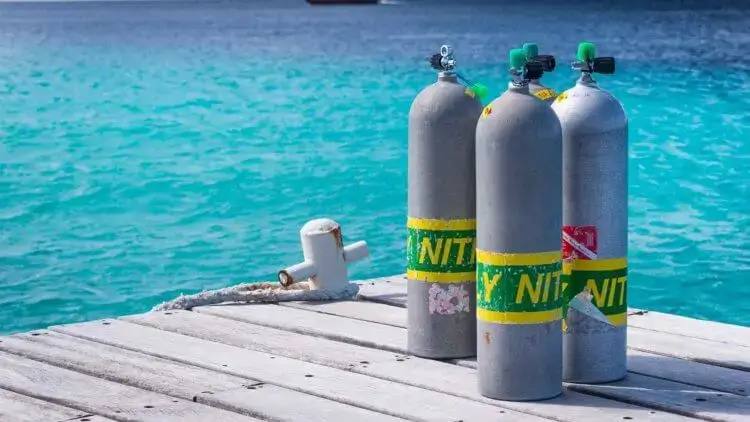
8. Enriched Air (Nitrox) Diving: Extending Your Bottom Time
Nitrox diving involves using an oxygen-enriched air mixture, allowing for longer bottom times and shorter surface intervals.
What it involves
- Learning how to analyse gas mixtures and set your dive computer.
- Understanding the benefits and limitations of enriched air.
- Planning dives to maximise safety and efficiency.
Who it is for
- Divers planning multiple dives in a day or a week.
- Those aiming to reduce fatigue associated with repetitive diving.
- Anyone looking to enhance their dive planning skills.
Pro tip: always double-check your gas mixture before diving to ensure it matches your dive plan.
9. Underwater Naturalist: Connecting with Marine Life
The Underwater Naturalist speciality focuses on understanding marine ecosystems and identifying the fascinating creatures you encounter during dives.
What it involves
- Learning about marine biology and ecosystem dynamics.
- Identifying species and their behaviours.
- Developing skills to dive responsibly and minimise environmental impact.
Who it is for
- Nature lovers and conservation-minded divers.
- Anyone interested in learning more about ocean biodiversity.
- Those who want to contribute to citizen science or marine conservation projects.
Pro tip: bring a waterproof marine life guidebook to help identify species during dives.
Choosing the right speciality for you
Selecting the right Advanced Open Water speciality depends on your interests, goals and the type of diving you want to pursue. Here are a few questions to guide your decision:
- What excites you most about diving — adventure, marine life, photography or technical skills?
- Are you comfortable with new challenges like deep depths, enclosed spaces or strong currents?
- Do you have specific destinations or dive sites in mind that require specialised skills?
Remember, you do not have to limit yourself to just five specialities. Many divers explore several more to broaden their skills and experience. Each one you complete makes you a more versatile and confident diver.
Conclusion
Advanced Open Water specialities offer incredible opportunities to grow as a diver while pursuing your passions. Whether you are drawn to the mysteries of deep diving, the artistry of underwater photography or the thrill of drift diving, there is something for everyone.
By choosing the specialities that align with your interests, you will unlock new adventures and deepen your connection with the underwater world. So, which speciality will you dive into next? Come and talk to our instructors in Playa del Carmen — we will help you pick the right one and plan your next dives.
Frequently asked questions
How many specialties do I need for Advanced Open Water?+
Which Advanced Open Water specialty should I start with?+
Can I do Advanced Open Water specialties in Playa del Carmen?+
Do I need my own equipment for specialty courses?+
Related articles
10 Top Tips to Find the Best Scuba Diving Instructor: Your Guide to THE Ultimate Underwater Adventure
Beginner's Guide to Scuba Diving: Your Discover Scuba Diving Day Experience